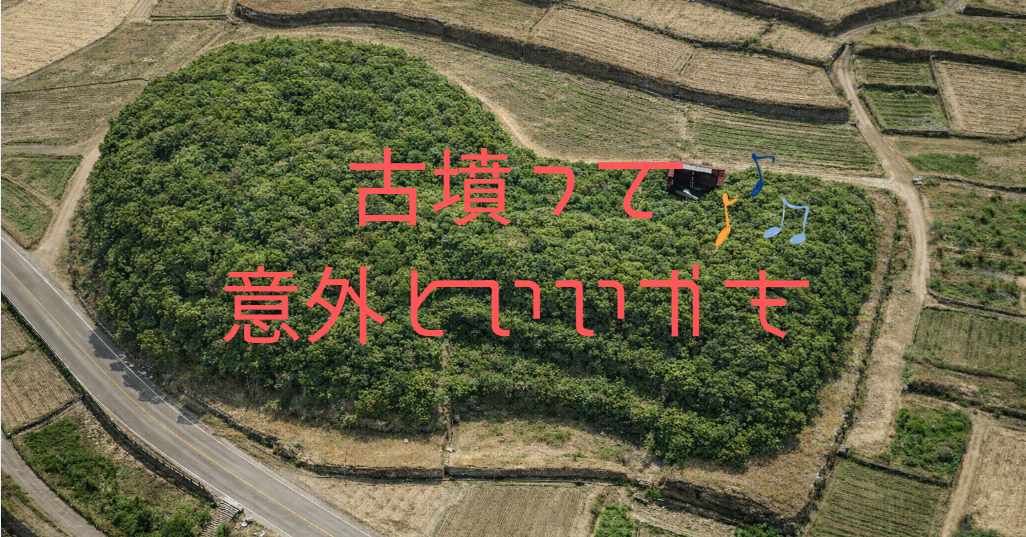
「古墳を見に行こう」
そう言うと、
子どもより先に、大人のほうが一瞬ためらう気がします。
地味そう
説明が難しそう
子どもは退屈しそう
正直、私もそう思っていました。
ただ、私自身が古墳や土偶が好きで、
半分は自分の趣味につき合わせる形で、
実際に子どもと一緒に古墳を巡ってみると、
これは思っていたよりずっと扱いやすく、自由度の高い観光でした。
古墳は、全国にある。だから行き先に困らない
まず、意外と大事なのがこれです。
古墳って、全国にあります。
特に、九州や、旅行先としてよく行く関西エリアには、
驚くほど古墳が多い。
仁徳天皇陵古墳や江田船山古墳のような、
教科書に載っている有名な史跡はもちろん、
有名どころでなくても、
-
ちょっと郊外に行くと突然出てくる
-
公園の奥にひっそり残っている
-
住宅地の中に溶け込んでいる
そんな存在です。
「ここに行くために一日かける」というより、
お出かけのついでに立ち寄れる。
この距離感が、子ども連れにはありがたい。
旅行中でも、
予定が多少ずれても、
ちょっと体を動かしたいときや
公園の代わりとして、
「まあ、古墳でもいいか」
と思える余白があります。
子どもにとっての古墳は「巨大なナゾの丘」
大人はどうしても、
何世紀のものか
誰のお墓か
どんな時代背景か
と考えがちですが、
子どもの見方はもっとシンプルです。
なんでこんな形?
なんでこんなに大きいの?
中、どうなってるの?
前方後円墳なんて、
上から見ると鍵みたいだし、
横から見ると、ただの丘。
この「よく分からなさ」そのものが、
子どもにとっては面白いようでした。
小学生高学年になってくると、
「これは円墳だね」
「石室はあの辺りじゃない?」
と、少しずつ知識が混ざってきて、
そんな会話が生まれるのも楽しい。
登れる古墳もある(※ただしルール厳守)
普通、貴重な文化財は
触ったり入ったりするのは厳禁ですよね。
でも古墳によっては、
-
上まで登れる
-
周囲を歩ける
-
整備された遊歩道がある
ところもあります。
これがまた、子どもにとっては大きい。
「見る」だけでなく、
「登る」「歩く」「高さを感じる」
体を使う体験になると、
一気に記憶に残ります。
ただし、これは本当に古墳ごとにルールが違います。
-
登っていいか
-
立ち入り禁止区域はどこか
-
保存のための注意事項
は、必ず事前に確認。
「登れる=遊んでいい」ではない、
という線引きを一緒に確認するのも、
学びの一部だと思っています。
埴輪や土偶は、子どもから見ると完全にアート
古墳そのものも面白いですが、
セットで見たいのが、埴輪や土偶。
これがまた、
今見てもかなり不思議な造形です。
表情が独特
形がゆるい
何を表しているのか分からない
でも、だからこそ、
子どもは素直に反応します。
「これなに?」
「ちょっと変じゃない?」
歴史資料として見る前に、
アートとして楽しめる。
ちなみに個人的には、
遮光器土偶がとても好きです!!
あのゴーグルみたいな目、
人なのか何なのか分からない感じ。
怖いような、
かわいいような、
でも確実に印象に残る。
「これを作った人、何考えてたんだろうね」
そんな話をするだけで、
時間が少しゆっくり流れる気がします。
博物館ワークショップが、想像以上に相性がいい
古墳の近くにある博物館や資料館では、
-
勾玉づくり
-
大珠(だいしゅ)づくり
-
土器づくり体験
といったワークショップが
開催されていることも多いです。
これが、かなりおすすめ。
見て終わりではなく、
-
自分で作る
-
持ち帰れる
-
家でまた話題になる
体験が一段深くなります。
「さっき見たやつ、こうやって作ったのか」
とつながる瞬間があると、
理解度よりも、納得感が残ります。
説明は、ちゃんと分からなくていい
資料館の説明や年表は、
正直、大人でも全部は追えません。
なので、
昔の人が作った
とても大事な人のお墓
すごく時間がかかった
このくらいで十分。
むしろ、
「どうやって作ったと思う?」
「なんでこんな形なんだろうね」
と、一緒に考える余白があるのが、
古墳観光の良さだと感じています。
親にとっても、ちょっと気持ちが楽
古墳観光は、
「ちゃんと見なきゃいけない」
というプレッシャーが少ない。
写真を撮りすぎなくていい
予定通り回らなくてもいい
子どもが走っても怒られにくい
親のHPが削られにくい。
これは、かなり大事です。
実際、古墳の周りでは
地元の子どもたちが遊んでいる光景もよく見かけます。
まとめ:派手じゃないけど、確実に残る
古墳観光は、
子ども向けに作られてはいない
でも、子どもを排除しない
だから、自由に楽しめる
そんな場所です。
九州や関西のように、
古墳が多い地域を旅するときは、
ほんの少し目線を変えるだけで、
行き先の選択肢が増えます。
「すごく楽しかった!」よりも、
「なんか覚えてる」
あとから思い出すタイプのお出かけ。
子どもとどこに行こうか迷ったとき、
選択肢のひとつに
古墳を入れてみるのは、
意外と悪くありません。
静かだけど、
奥行きのある時間でした。
Visiting Ancient Burial Mounds with Kids
A Surprisingly Perfect Kind of Day Trip
“Let’s go see an ancient burial mound.”
When you say that,
it’s often the adults—not the kids—who hesitate first.
Sounds boring.
Feels hard to explain.
Kids will probably get restless.
To be honest, that was my impression too.
I personally enjoy ancient burial mounds and clay figures,
and I ended up taking my children along—partly indulging my own interests.
What I discovered was that this kind of outing was far more flexible, relaxed,
and kid-friendly than I had expected.
What Is a Kofun?
Before going any further, a bit of context.
A kofun is an ancient burial mound built in Japan roughly between the 3rd and 7th centuries.
They were constructed as tombs for powerful leaders and elites of the time.
Many kofun are large, earth-covered structures—
some circular, some square, and some with a distinctive keyhole shape when viewed from above.
Inside, there may have been stone chambers, coffins, and grave goods,
though most interiors are now sealed or preserved.
Today, kofun are protected cultural heritage sites.
Many of them remain quietly embedded in modern life—
in parks, residential areas, and open countryside.
A Note for Western Readers: Burial Sites and Cultural Distance
For readers in the U.S. or Europe,
the idea of visiting burial sites—especially with children—may feel uncomfortable.
In many Western cultures, graves are treated as places of strong taboo:
solemn, private, and emotionally heavy.
They are often locations one visits only for mourning.
In Japan, the relationship is slightly different.
While graves are respected,
ancient burial mounds like kofun are generally seen less as personal graves
and more as historical landscapes.
The people buried there lived over a thousand years ago.
There is no living memory, no direct lineage to mourn.
As a result, kofun are often integrated into daily life—
places people walk past, rest near, or visit casually.
This doesn’t mean they are treated carelessly.
Rather, there is a sense of respectful distance,
combined with familiarity.
Understanding this difference helps explain
why families visit kofun in a relaxed way—
and why children are welcome there.
Burial Mounds Are Everywhere — Which Makes Planning Easy
Ancient burial mounds are scattered all over Japan.
Especially in:
-
Kyushu
-
The Kansai region, which we often visit when traveling
There are far more burial mounds than people usually realize.
Of course, there are famous sites—
like the massive mound traditionally attributed to Emperor Nintoku.
But beyond those,
-
You’ll find them suddenly in the suburbs
-
Tucked away at the back of a park
-
Quietly blending into residential neighborhoods
They’re not destinations that demand a full day.
They’re places you can casually stop by.
That sense of proximity is a huge advantage when traveling with kids.
For Kids, Kofun Are Just “Big, Mysterious Hills”
Adults tend to focus on:
Which century is this from?
Who was buried here?
What was the historical background?
Kids see something much simpler.
Why is it shaped like this?
Why is it so big?
What’s inside?
Keyhole-shaped kofun, for example—
from above, they look almost like keys;
from the side, just grassy hills.
That ambiguity itself is what makes them fascinating.
As children grow older, they naturally start adding bits of knowledge:
“That’s a round burial mound.”
“The stone chamber should be around there.”
Watching that shift is part of the experience.
Some Burial Mounds Can Be Climbed
(Always Follow the Rules)
Unlike many historical sites where touching is strictly prohibited,
some kofun allow visitors to:
-
Walk around them
-
Climb to the top
-
Use well-maintained paths
For kids, this makes a big difference.
It turns observation into movement.
That said, rules vary by site.
-
Is climbing allowed?
-
Which areas are restricted?
-
What guidelines protect preservation?
Always check beforehand.
Learning that “accessible” still means “respectful”
is part of the lesson.
Haniwa and Clay Figures Feel Like Art First
Burial mounds are often associated with clay figures called haniwa,
as well as older figurines known as dogu.
Their designs remain striking even today.
Unusual expressions.
Abstract forms.
Unclear meanings.
Kids respond immediately:
“What is this?”
“Why does it look like that?”
Before history, there’s art.
Personally, I love Shakōki-dogū—
figures with large, goggle-like eyes.
They’re eerie, charming, and unforgettable.
Asking,
“What do you think the person who made this was thinking?”
is often enough to spark quiet curiosity.
Museum Workshops Deepen the Experience
Museums near kofun often host hands-on workshops such as:
-
Making magatama (comma-shaped beads)
-
Crafting ceremonial beads
-
Pottery-making experiences
These activities transform observation into participation.
Kids make something.
They take it home.
It becomes a memory that lasts.
It’s Okay Not to Understand Everything
Museum explanations can be dense—even for adults.
So we simplify.
People long ago made this.
It mattered deeply to them.
It took immense effort.
That’s enough.
What matters more are shared questions:
“How do you think they built this?”
“Why do you think it looks this way?”
Kofun visits leave room for wondering together.
Easier on Parents, Too
Kofun visits come with surprisingly little pressure.
No need to rush.
No need to document everything.
Kids can move freely.
You’ll often see local children playing nearby.
These sites are woven into everyday life.
In Closing: Quiet, but Memorable
Kofun visits aren’t designed specifically for children.
But they don’t exclude them either.
That’s why they work.
When traveling in regions like Kyushu or Kansai,
shifting your perspective slightly opens new possibilities.
It’s not the kind of outing kids rave about immediately.
It’s the kind they remember later.
Quiet, respectful, and unexpectedly deep—
a shared experience that lingers.
